HVAC Contractor Tax Guide

HVAC Contractor Tax Deductions:
The Complete 2026 Guide

Most HVAC contractors overpay taxes because their CPA doesn't understand refrigerant costs, EPA 608 licensing, or seasonal income swings. This guide covers every legal write-off, including the three things HVAC contractors miss most.
MM
Mary MattisonEnrolled Agent (EA) · Contractor Specialists
Updated May 202610 min read
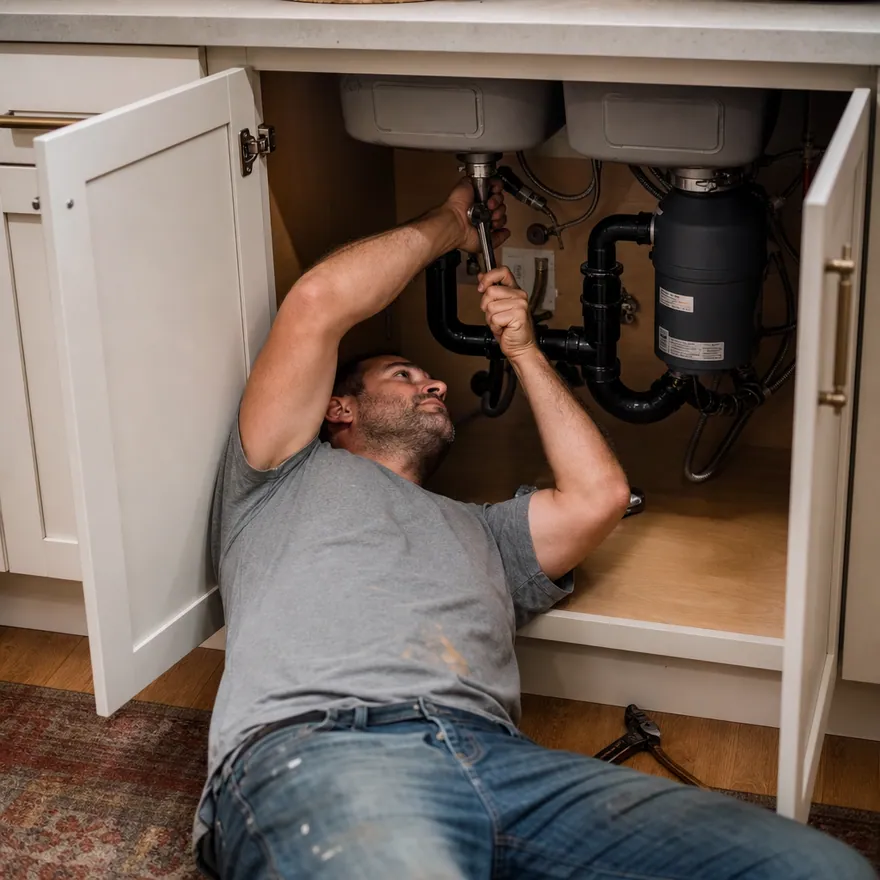
HVAC contractor working on unit
Save your hard-earned money
U.S.-based experts. No offshore prep.
01As an HVAC contractor running my own business, how much of my tax bill am I actually keeping in my pocket?
The Quick Answer

HVAC Tax Deductions in 2026

  • Tools and equipment (Section 179 full expensing available)
  • Refrigerant & Materials (cash method deduction)
  • Work vehicle: standard mileage ($0.725/mile) or actual expense method
  • Home office, if you do admin work in a dedicated space
  • EPA 608 & Licensing
  • Liability insurance, tool insurance, and self-employed health insurance
  • Retirement contributions via SEP-IRA up to $72,000 (most miss this)
  • Phone (business-use %) and job management software
Primary authority: IRS Pub 334 (self-employment), IRS Pub 946 (depreciation), IRS Pub 587 (home office).
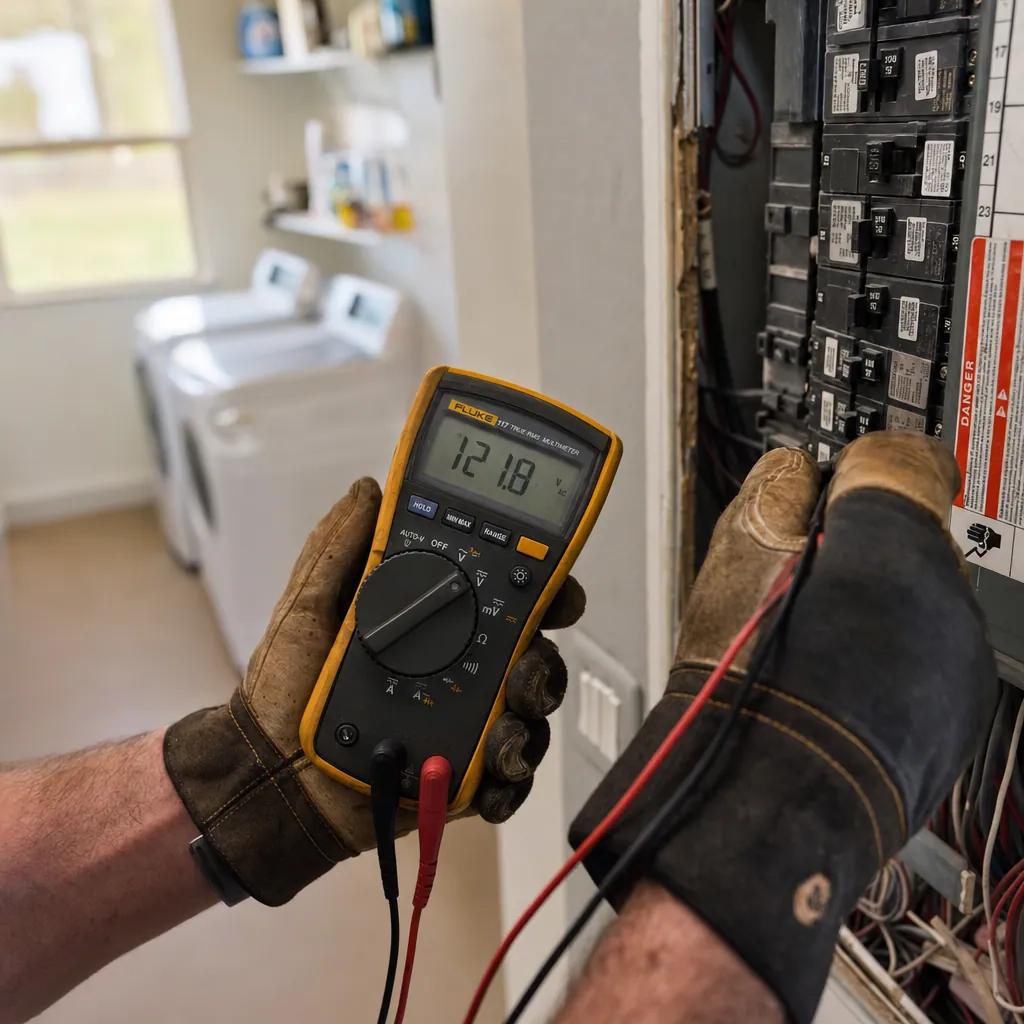
HVAC contractor working at job site
02OK, so what can I actually write off as an HVAC contractor?

Deductions by Category

03Are there deductions most HVAC contractors don't even know they're missing?

What Most HVAC Contractors Miss

Refrigerant as a supply cost, not capital
R-410A and other refrigerants are supplies, not equipment. They're fully deductible in the year purchased, not depreciated over time. Many CPAs categorize them wrong, tying up your deductions over several years when you could take the full hit immediately.
Seasonal income = quarterly payment trap
HVAC income is heavily front-loaded during the summer AC rush or winter heat calls. Trying to estimate taxes mid-season often leads to underpayment penalties when Q3 income spikes. Using last year's safe harbor amount prevents penalties entirely, no matter how much you make during peak season.
Health insurance in the wrong place
Self-employed health insurance belongs on your 1040 directly, not on Schedule C. When it ends up in the wrong place, it still lowers your income tax, but you miss the SE tax savings. On $700/month in premiums, that placement error costs you about ~$1,200/yr in missed SE tax savings. It's a simple fix that most general preparers never catch.
04OK so I know what to deduct. But when do I actually have to pay, and how do I avoid getting hit with a penalty?

Quarterly Estimated Tax for HVAC Contractors

When you work for yourself, the IRS doesn't wait until April to get paid. You're expected to pay taxes four times a year as you earn. Miss one of those payments and you'll get hit with an underpayment penalty, usually 4–7% on whatever you shorted them. The easy way to avoid this: pay at least what you owed last year, split into four payments. That's called the safe harbor rule, and following it means no penalty no matter what you end up owing in April.

Income PeriodPayment DueQuarter
Q1: Jan 1 to Mar 31April 15, 2026Full quarter
Q2: Apr 1 to May 31June 15, 2026Short quarter
Q3: Jun 1 to Aug 31September 15, 2026Full quarter
Q4: Sep 1 to Dec 31January 15, 2027Full quarter
Quick estimate formula: Take your expected annual net profit × 25.3% (15.3% SE tax + estimated 10% income tax for most brackets). Divide by 4 for your quarterly payment. Example: $120K net profit × 25.3% = $30,360/year, divided by 4 = $7,590/quarter. Your actual rate depends on deductions and filing status.
05So I know what I owe and when. Is there a way to actually keep more of what I earn?

Earning $75K+ Net? There's a Strategy Worth Knowing.

Once your HVAC business is clearing $75,000 or more in net profit, there's a legal structure change that can put a significant chunk of money back in your pocket. It's called an S-Corp election, and it works by changing how your income is classified, reducing the portion subject to self-employment tax. Here's what the difference looks like on $100K:
LLC (no S-Corp)
$14,130
SE tax on $100K net
With S-Corp Election
~$5,650
Payroll tax on $60K salary
Read the S-Corp Guide for HVAC Contractors
06That covers the big stuff. But what about all the other questions HVAC contractors always ask?

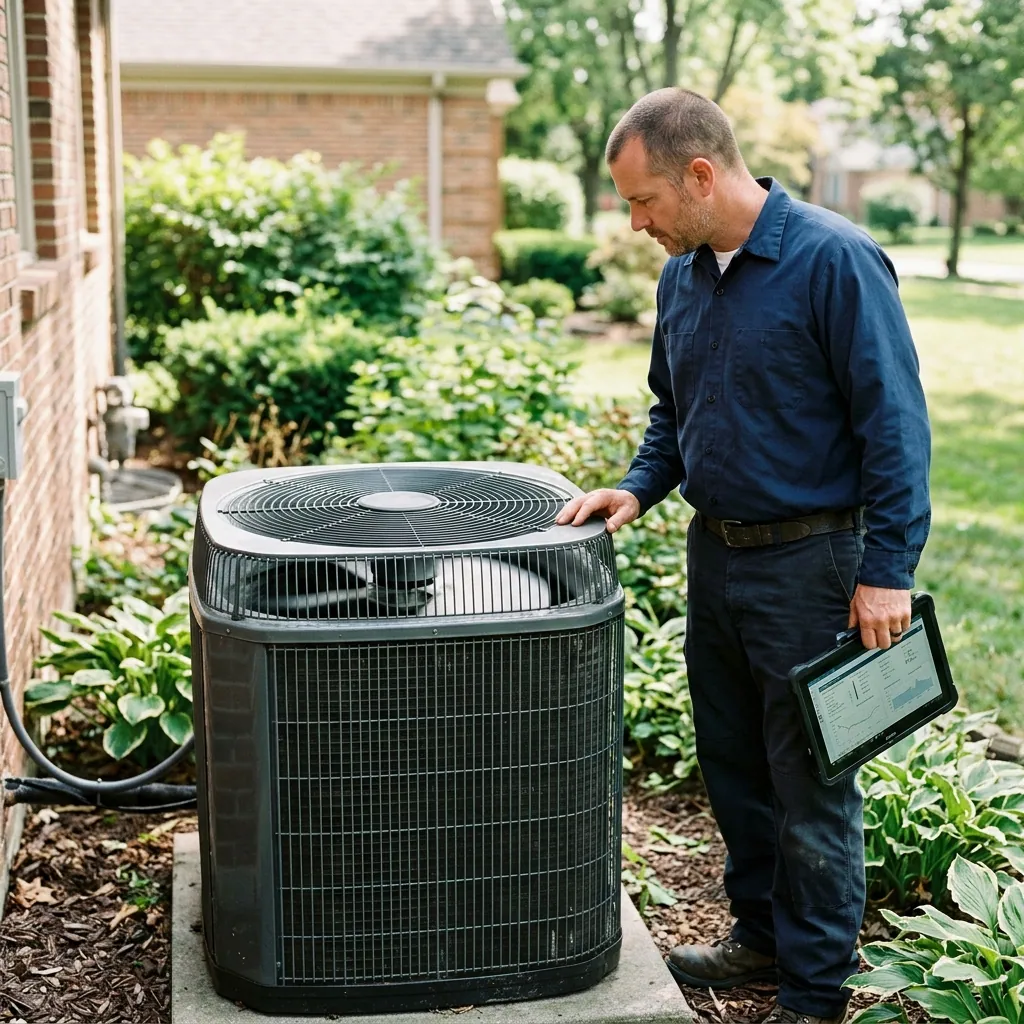
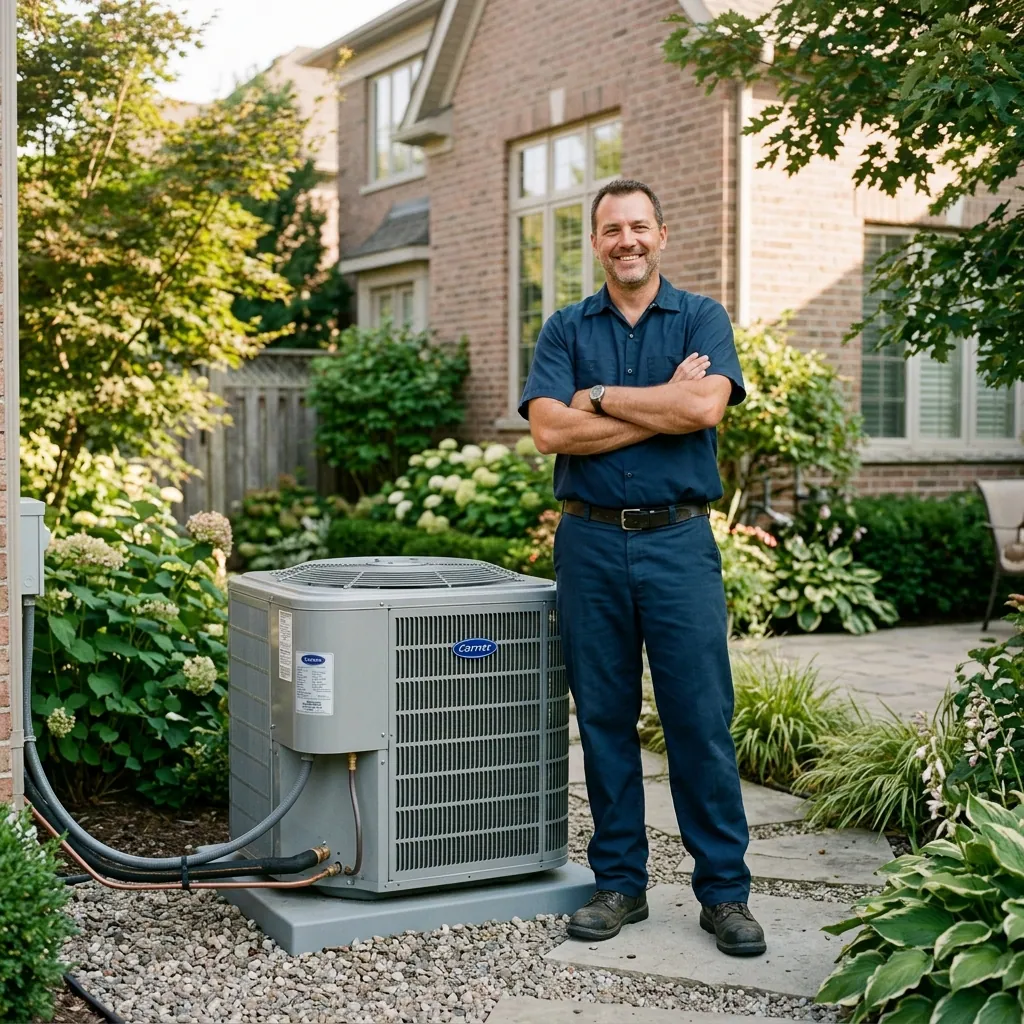
HVAC contractor standing next to AC unit outside Texas brick home
Every deduction in this guide is money back in your pocket, including deductions many generalist preparers miss.

Want Us to Find Every Deduction for Your HVAC Business?

We specialize in HVAC contractor taxes. Free 30-minute call. We'll review your situation and tell you exactly what we'd do differently.


Tax information disclaimer: This guide is for general educational purposes only and does not constitute tax advice. Tax laws change and individual situations vary. Consult a licensed tax professional before making tax decisions. The deduction examples above are illustrative. Your actual deductible amounts depend on your specific income, expenses, and filing situation. Trade Tax Pro provides tax preparation services, not legal advice.
100% Contractor FocusLicensed CPA on Every ReturnContractor Tax SpecialistsFree Extension FilingAmerican Owned CompanyTrade-Specific Tax Knowledge100% Contractor FocusLicensed CPA on Every ReturnContractor Tax SpecialistsFree Extension FilingAmerican Owned CompanyTrade-Specific Tax Knowledge
Book My Free Tax Review